
The AI Takeover: What It Means for Your Career
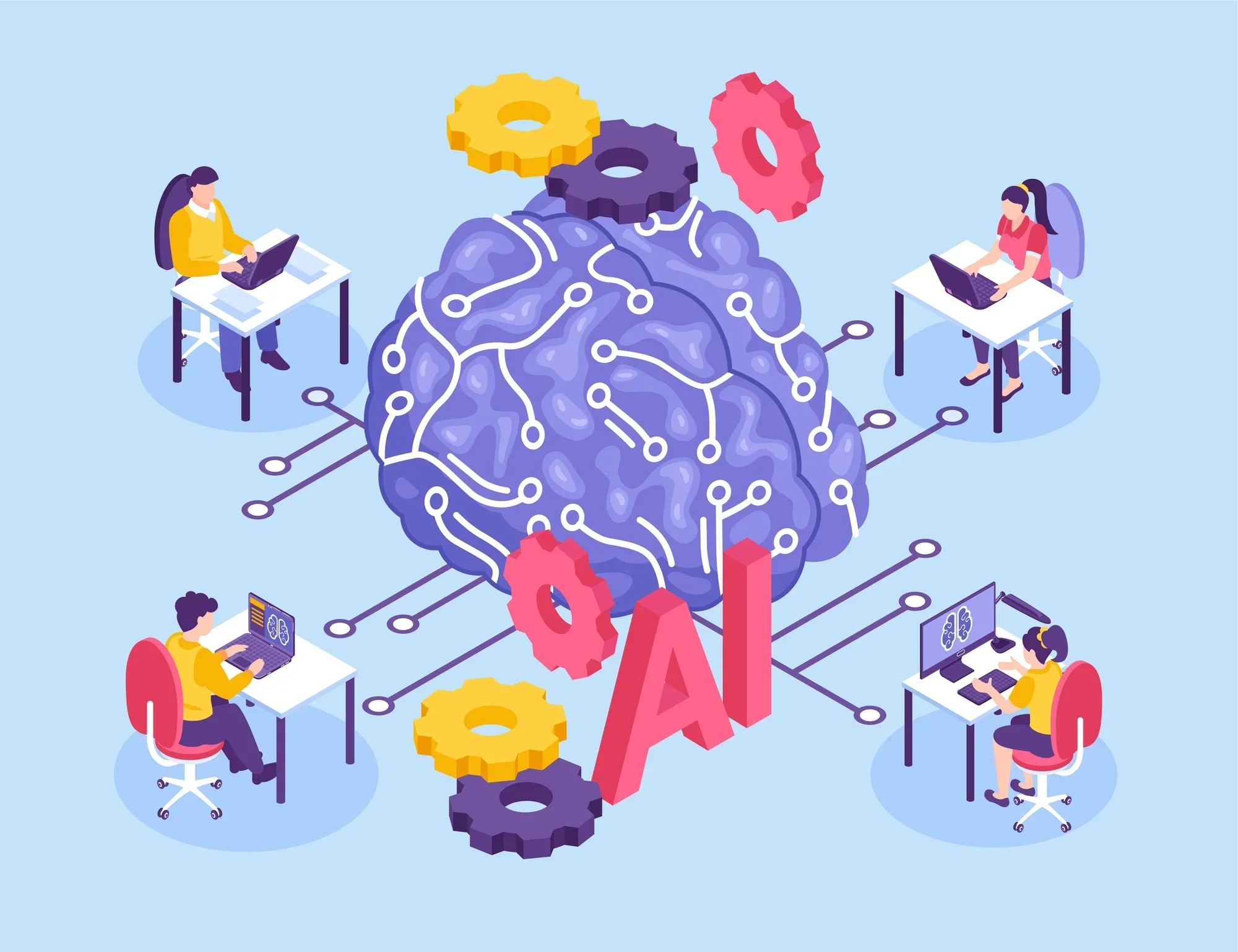
The 2020s have brought many highs and lows, but undoubtedly, one of the more remarkable feats has been the AI takeover. For a term that didn’t exist just a few years ago, AI has firmly established itself as the new buzzword of Silicon Valley and every global tech hub. Since its early days, AI has now developed into a full-fledged industry, promising to be the next big thing for every business.
From niche research labs to mainstream use, large language models, generative AI, and reinforcement learning have accelerated adoption. This growth has been made possible through advancements in GPUs and cloud infrastructure, which have enabled widespread access. Now, almost every industry is adapting AI in practice, from healthcare to finance to management, and even manufacturing. Almost every small task seems to benefit from AI.
Research, however, remains the one sector where AI still struggles to compete with humans, due to grey areas in ethics, bias, and government regulations, though adoption is gradually improving.
But the big question is: how does AI change the trajectory for students?

This shift brings new roles and responsibilities; whether in AI design and prompt engineering, creating agentic AI to make it more deployable in daily life, or working in AI compliance to ensure proper regulation of new technologies. Either route promises one thing: innovation. As a student, this is the time to bring forward new ideas. Graduates are now expected to bridge the gap between AI capabilities and how they can translate into valuable business models. The key to unlocking this potential is creativity, problem-solving, and systems thinking, as much as technical skill.
So, is this really an opportunity or a disruption? AI brings a reshuffle of graduate expectations. Unfortunately, this does mean that the in-demand coders of the early 2000s and legacy AI roles are shrinking as AI-assisted programs take over routine tasks.
However, this shift opens doors in new areas. The rise of AI increases demand for data engineering, as AI relies on processing large amounts of data. AI also heightens cybersecurity concerns, urging students to explore skills that can defend against AI-related vulnerabilities.
Alongside these technical roles is a growing sector that bridges tech and business. AI has been developed, but companies now seek ways to make it profitable. In-demand roles include AI product management specialists and strategists who can transform AI into a model product, not just a program.

Source: Shutterstock
So, how can students work around these changes?
Adapt your technical skills: Recruiters now demand knowledge of machine learning, the ability to manage data both analytically and ethically, and familiarity with cybersecurity.
Strike a balance: While AI is about technology, its leading purpose is to serve humans. Strong soft skills are just as important as technical knowledge.
Stay alert and adaptable: This is a time of rapid change. A role that exists today may have a very different purpose or outlook by the end of the year. Students should monitor not just new roles, but new implementations and uses of AI, and tailor their skill sets to meet evolving industry requirements.
All in all, be smart. AI integration into human life is just the beginning for the technology industry. While the near future may seem daunting, there are still countless opportunities to be uncovered and explored.
This article is published by CCA, a student association affiliated with Monash University. Opinions published are not necessarily those of the publishers. CCA and Monash University do not accept any responsibility for the accuracy of information contained in the publication.